
December 19, 2025
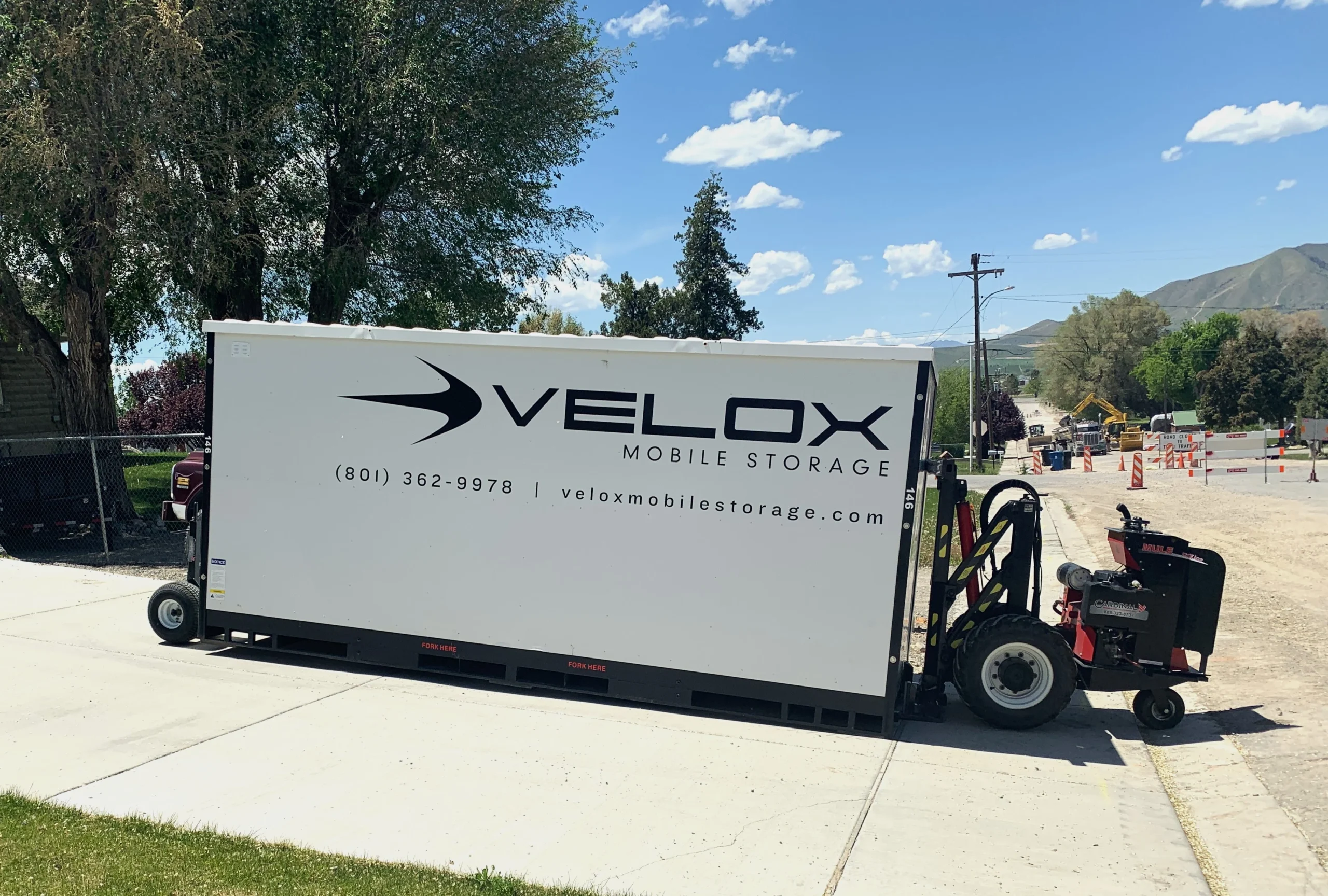
Portable storage containers sit in a gray area of local regulations. They’re not permanent structures that clearly require building permits, but they’re also not quite the same as parking a car in your driveway. This ambiguity leads to confusion about whether you need official permission before having a container delivered.
The answer depends on your specific location, how long you plan to keep the container, and what your local government and homeowners association consider temporary versus permanent placement.
The Statewide Picture
Utah doesn’t have uniform statewide regulations governing portable storage on residential properties. Each municipality sets its own rules based on local zoning ordinances and planning codes. This means what’s allowed in Salt Lake City differs from Provo, which differs from other cities.
Most Utah cities distinguish between temporary and permanent container placement. Temporary placement, typically defined as less than a certain number of days, usually doesn’t require permits. Permanent or long-term placement often does require special approval.
The fundamental question cities ask is whether the storage container serves a temporary moving or construction purpose, or whether it’s becoming a permanent fixture for ongoing storage. That distinction drives most permit requirements.
Common City Requirements
Many Utah cities allow temporary portable storage units without a permit for limited durations. The container must be placed on private property with appropriate setbacks from property lines. Extensions beyond standard timeframes typically require a temporary use permit from the planning division.
The temporary use permit process usually involves submitting an application with site plans showing container placement, paying permit fees, and demonstrating the container won’t create safety hazards or code violations. Approval typically takes several business days.
Cities focus on ensuring containers don’t obstruct traffic sightlines or create neighborhood impacts. Placement cannot block sidewalks, public access, or create hazards.
What Temporary Actually Means
Cities define temporary based on both duration and purpose. A container used actively for packing and moving clearly qualifies as temporary. The same container sitting unused for months becomes questionable.
The intent matters as much as the timeline. If you’re using the container for active moving, renovation, or construction purposes with a clear end date, most cities treat this favorably even if it extends slightly beyond typical temporary windows.
Containers becoming de facto permanent storage sheds violate the spirit of temporary use allowances. This is what cities aim to prevent with their regulations.
HOA Rules Layer on Top of City Regulations
Even if your city allows container placement without permits, your homeowners association might have stricter rules. HOAs operate under their own governing documents that can be more restrictive than municipal codes.
Common HOA restrictions include shorter time limits than city regulations, placement requirements mandating containers only in specific locations or completely out of sight from streets, mandatory pre-approval even for brief placements, and aesthetic requirements about container appearance or screening.
HOA architectural review committees often control container approvals. This means submitting requests, attending committee meetings, and waiting for formal approval before delivery. The process can take time depending on meeting schedules.
Violating HOA rules carries different consequences than city code violations. HOAs can levy fines, place liens on your property, and create legal complications that affect property sales and refinancing.
Setback and Placement Requirements
Most Utah cities require containers maintain minimum distances from property lines. These setbacks prevent containers from encroaching on neighboring properties and ensure adequate access.
Street visibility and traffic safety regulations prohibit container placement that blocks driver sightlines at intersections or creates hazards. Even if technically on your property, a container positioned inappropriately can violate these provisions.
Sidewalk and public right-of-way restrictions are universal. Moving containers cannot block pedestrian access, obstruct sidewalks, or impede public pathways.
Utility access must remain clear. Containers cannot block access to utility meters, sewer cleanouts, or other infrastructure that service providers need to reach.
When You Definitely Need a Permit
Extended storage beyond typical temporary windows almost always requires permits. If you’re keeping a container for extended periods, expect to need formal approval regardless of your city’s baseline temporary allowances.
Commercial use of containers on residential property typically requires special permits. Using a container to store business inventory or equipment at your home often triggers home occupation rules and additional requirements.
Permanent placement where you intend to keep the container indefinitely always requires permits and often isn’t allowed in residential zones at all.
The Permit Application Process
Research starts with identifying which department handles container permits in your city. This is typically the planning, zoning, or community development department.
Documentation requirements vary but generally include a site plan showing property lines and proposed container placement, explanation of why you need the container and for how long, and photos of the property showing where the container will sit.
Application fees and processing times vary by city and permit type. Simple temporary use permits often approve within a reasonable timeframe. More complex situations requiring planning commission review can take longer.
What Happens Without Proper Permits
Code enforcement typically responds to complaints rather than actively patrolling for violations. Your container might sit without issue until a neighbor complains, triggering an inspection and enforcement action.
Warning notices give you time to either obtain proper permits or remove the container. Cities prefer compliance over punishment and usually work with residents to correct violations.
Fines escalate with continued non-compliance. Forced removal happens when violations remain uncorrected. Cities can order container removal and eventually arrange removal at your expense if you don’t comply.
Practical Steps Before Container Delivery
Call your city’s planning or zoning department and ask specifically about portable storage containers. Explain how long you need it and where you plan to place it. Get clear guidance on whether permits are required.
Review HOA documents if you live in a planned community. Read CC&Rs, architectural guidelines, and design review standards. Contact HOA management with specific questions about container rules.
Talk to neighbors if you’re concerned about complaints. A quick conversation explaining your timeline and asking if they have concerns can prevent issues before they start.
Document everything in writing. If a city employee tells you no permit is needed, get that in writing via email. Protect yourself with paper trails.
When Velox Can Help Navigate Requirements
We’ve delivered thousands of containers across Utah and understand local regulations in most municipalities. While we can’t provide legal advice, we can share what typically works in your specific area based on experience.
Timing coordination helps minimize regulatory concerns. If you only need the container within your city’s temporary allowance, we schedule delivery and pickup to stay comfortably within those windows.
Alternative solutions exist when on-property placement isn’t feasible. We can store your mobile storage at our facility and deliver it when you’re ready, giving you storage benefits without on-property regulatory complications.
The Honest Reality
Most Utah residents using portable storage Utah for typical moving and renovation purposes don’t need permits as long as placement stays within reasonable temporary periods and follows basic setback rules. The vast majority of container placements happen without formal permits or issues.
Problems typically arise from extended placement beyond reasonable temporary periods, neighbor complaints about placement or appearance, HOA violations, or placement that blocks access or creates safety issues.
A little upfront research prevents most problems. Time spent with your city planning department and checking HOA documents provides clarity that saves potential headaches later.
Get Storage That Works Within the Rules
Need help navigating storage pods regulations in Utah? We’ll work with you to make it happen within whatever rules apply to your situation. Local knowledge that helps you stay compliant.
Click here for a free, no-obligation quote or call 801-362-9978 to discuss permit requirements for your specific location. We’ll share what we know from experience.