
November 5, 2025
What Happens If It Snows? Weather-Resistant Storage Explained
Utah weather keeps everyone guessing. Sunny and mild one day, several inches of snow the next. When your belongings are sitting in a storage container in your driveway, that unpredictability raises obvious questions. What happens when a spring storm dumps unexpected snow? Will everything inside stay dry during winter storage? Can the container handle what Utah throws at it?
These are fair concerns, especially if you’re used to climate-controlled facilities with walls and roofs between your stuff and the elements. Portable storage works differently, but that doesn’t mean your belongings are at risk when the weather turns.
How Weather-Resistant Containers Actually Work
Steel construction forms the foundation of weather resistance. Portable storage containers are built from heavy-duty steel panels designed to withstand physical impacts, temperature fluctuations, and moisture exposure. This isn’t the thin metal you find in budget sheds. It’s commercial-grade material built to last through years of outdoor use.
Weather seals run along every seam and opening. These rubber gaskets create barriers that prevent moisture infiltration at the points where panels connect and where doors close. When properly maintained, these seals keep rain, snow, and wind-driven moisture outside where it belongs.
Raised floors keep the container bottom elevated above ground level. Water pools, melting snow, and ground moisture stay below the container floor instead of seeping in from underneath. This elevation also allows air circulation that prevents moisture buildup.
The roof design sheds water and snow naturally. Instead of flat surfaces where precipitation collects, container roofs are structured to encourage runoff. Snow slides off, rain drains away, and nothing pools on top to eventually find its way inside.
What Utah Weather Actually Does to Containers
Temperature swings are intense in Utah. A winter day might start below freezing and climb significantly by afternoon. Steel expands and contracts with these changes, which is exactly what it’s designed to do. Quality containers account for this thermal movement without compromising structural integrity or seal effectiveness.
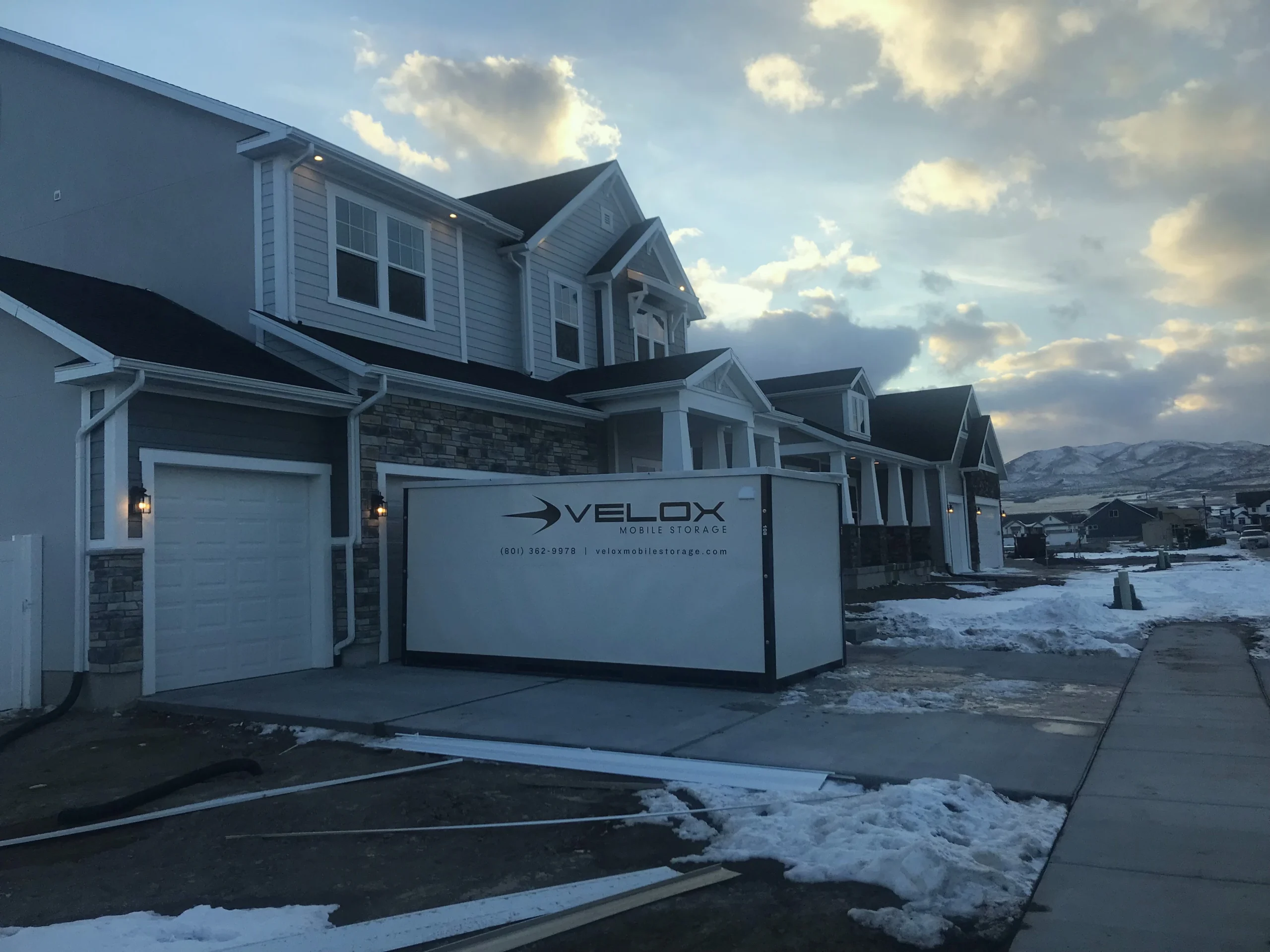
Snow accumulation on and around containers is normal and expected. A heavy snowfall might pile significant amounts against the sides and cover the roof. The container handles this without issue. Steel doesn’t absorb moisture like wood, and the weight of snow is well within structural tolerances.
Ice formation during freeze-thaw cycles can affect door operation temporarily. If moisture gets into the door mechanism and freezes, you might need to clear ice before opening. This is a minor inconvenience rather than a structural problem, and it’s easily managed with basic ice removal.
Wind exposure matters more in some locations than others. Containers are heavy enough that wind alone won’t move them, but extreme winds combined with lightweight stored items might cause internal shifting. Proper packing techniques prevent this from becoming a problem.
Rain and moisture are constant factors in Utah’s climate. Spring storms, summer weather, and winter precipitation all test weather seals. Properly maintained containers keep moisture out through all of it. The key is proper maintenance, which reputable companies handle as part of their service.
Real-World Winter Storage Performance
Mobile storage units have weathered Utah winters for years. They’ve handled blizzards, ice storms, and the freeze-thaw cycles that make our climate particularly challenging for outdoor storage. The belongings inside stay dry because the weather resistance withstands most weather events.
The difference between quality containers and lesser alternatives becomes obvious during harsh weather. A poorly sealed container might keep out casual rain but fail during driving storms or heavy snow. Quality storage pods maintain protection through most weather events.
Items That Need Extra Consideration
Documents and paper items generally do fine in properly sealed containers, but adding an extra layer of protection like plastic bins provides insurance against the unlikely scenario of seal issues.
Fabrics and upholstered furniture typically handle container storage well, but allowing air circulation around these items prevents any potential moisture retention. Don’t pack things so tightly that air can’t move.
Wood furniture is surprisingly resilient in containers. The weather resistance protects against moisture, and the temperature stability inside a sealed steel container is better than most people expect.
Musical instruments and artwork represent significant investments that deserve careful consideration. For short-term storage through winter, weather-resistant containers work well.
What Velox Does Differently
Container maintenance is something we take seriously. Steel quality matters more than most people realize. We use containers built to commercial standards because we know they’ll face Utah weather for years. Lower-quality steel corrodes faster, seals fail sooner, and weather resistance degrades over time.
Delivery positioning affects weather performance. Our delivery teams understand how to place containers for optimal drainage and snow management. Small details like angle and ground contact make real differences in long-term weather resistance.
Customer education helps prevent issues before they happen. We explain how to pack for weather protection, which items need extra consideration, and how to check that doors seal properly after loading.
When Weather Becomes a Delivery Factor
Snow and ice affect delivery logistics more than container performance. Getting a loaded truck safely to your property during active storms isn’t always possible. We prioritize safety over speed when conditions turn challenging.
Ground conditions matter for container placement. Soft, wet ground or areas with poor drainage can create delivery challenges. We work with customers to identify the best placement spot that handles weather well and remains accessible.
Timing deliveries around weather forecasts helps avoid complications. If a major storm is forecast, we’ll discuss whether adjusting delivery timing makes sense for your situation.
Access maintenance during winter becomes your responsibility once the container is placed. Keeping a path clear to the doors and ensuring you can actually reach the container when needed is basic but important.
Storage That Works Through Every Season
Portable storage Utah residents trust is built for Utah weather because it’s used in Utah weather year-round. We know what works, what doesn’t, and how to keep your belongings protected regardless of what’s happening outside.
Our weather-resistant steel containers have proven themselves through countless Utah winters. From mountain snowstorms to valley weather patterns, they keep doing what they’re designed to do: protect your stuff.
If you’re worried about weather affecting your mobile storage, that’s understandable. But once you see how proper containers handle real Utah conditions, that concern turns into confidence.
Get Weather-Resistant Storage Built for Utah
Don’t let weather worries stop you from getting the portable storage containers you need. Our steel, weather-resistant units are built to handle Utah’s toughest conditions. Snow, rain, or shine, your belongings stay protected.
Click here for a free, no-obligation quote or call 801-362-9978 to discuss your storage needs. Local service that understands local weather.