A happy family ready for photoshoot in front of their house and Velox container after moving to assisted living

Moving to Assisted Living: How Portable Storage Helps

May 15, 2026
A happy family ready for photoshoot in front of their house and Velox container after moving to assisted living

Few life transitions carry as much weight as moving a parent or loved one into assisted living. It’s not just about changing addresses. It’s about letting go of a home filled with decades of memories, deciding what stays and what goes, and navigating emotions while handling logistics.

If you’re helping someone make this move, you already know how overwhelming it feels. There’s too much to do in too little time. A lifetime of belongings needs to fit into a much smaller space. Family members have opinions about what should happen to certain items. And underneath all the practical challenges, there’s grief, uncertainty, and the weight of a major life change.

Portable storage can’t solve the emotional side of this transition, but it can remove some of the pressure and urgency that makes everything harder. It gives families breathing room to make thoughtful decisions instead of rushed ones, and it creates space for what matters most during a difficult time.

Here’s how downsizing storage helps when moving a loved one into assisted living.

The Challenge of Downsizing from a Full Home

Most people moving into assisted living are leaving homes they’ve lived in for twenty, thirty, or even fifty years. That’s a lot of accumulated belongings. Furniture that’s been in the family for generations. Closets full of clothing. Boxes in the attic or basement that haven’t been opened in decades.

Assisted living apartments are much smaller. A one-bedroom unit might be four hundred to six hundred square feet. That’s a fraction of the space in a typical family home, which means most belongings simply won’t fit.

The downsizing process requires sorting everything into categories. What goes to the new apartment. What gets passed to family members. What gets donated or sold. What gets stored temporarily while decisions are made.

Trying to do all of this in a week or two while coordinating move dates, handling paperwork, and managing the emotional weight of the transition is nearly impossible. Families end up making hasty decisions they later regret, or they delay the move because they’re overwhelmed by the scale of the task.

Portable storage containers create a middle ground. Items that don’t fit in the assisted living apartment but aren’t ready to be given away can go into storage. This removes the immediate pressure to make permanent decisions about everything right now.

Creating Time for Thoughtful Decisions

One of the hardest parts of moving into assisted living is the timeline. Often, a health event or change in care needs creates urgency. Families find themselves with just weeks or even days to pack up an entire household, find new homes for belongings, and coordinate the move.

When everything happens in a rush, mistakes get made. Important items are accidentally donated. Things with sentimental value are discarded because there wasn’t time to consider what they meant. Family members who wanted certain items never get the chance to claim them because everything moved too fast.

Storage for downsizing slows things down in a good way. Instead of forcing every decision immediately, families can move their loved one into assisted living first, then take time to thoughtfully sort through belongings afterward.

This approach prioritizes what matters most: getting your loved one settled safely and comfortably in their new home. Once they’re stable and adjusting, you can return to the stored belongings with a clearer head and more time to make good decisions.

Some items that seemed essential during the initial move turn out not to be needed. Other things that were packed away become important and can be retrieved. Storage creates flexibility during a time when flexibility makes all the difference.

Giving Family Members Time to Coordinate

When someone moves into assisted living, their belongings often need to be distributed among family members. Children, grandchildren, nieces, and nephews may want certain furniture, keepsakes, or family heirlooms.

Coordinating who gets what takes time, especially when family members live in different cities or states. Scheduling visits, arranging transportation for large items, and having the conversations about who wants what all require planning.

If the family home needs to be cleared immediately, these coordinations get rushed or skipped entirely. Items end up donated or sold simply because there wasn’t time to ask if anyone wanted them.

Portable storage units solve this by giving families months to coordinate properly. Items go into the storage container, and family members can schedule times to visit, look through belongings, and claim what’s meaningful to them. No one feels rushed. No one misses out because they couldn’t visit during the one weekend everything had to be decided.

This is especially valuable when family dynamics are complicated or when there are disagreements about what should happen to certain items. Storage removes the time pressure that often escalates tensions during already emotional situations.

Bridging the Gap Between Homes

Sometimes the timing of moves doesn’t line up perfectly. A spot opens up at the desired assisted living facility, but the family home hasn’t sold yet. Or the home sells quickly, but the assisted living apartment won’t be ready for another month.

These timing gaps create logistical nightmares. Where do belongings go in the meantime? How do you coordinate moving twice in a short period? What happens if plans change?

Portable storage containers bridge these gaps smoothly. Belongings that don’t fit in the assisted living apartment go directly into storage. Items destined for family members can wait there until everyone’s ready. Furniture from the family home that needs to be sold or donated can be sorted through at a manageable pace.

If the assisted living arrangement doesn’t work out and other options need to be explored, stored belongings are safe and accessible. If your loved one needs more or different items after settling in, you can retrieve them easily from the storage unit.

This flexibility removes the stress of trying to coordinate perfect timing when life rarely cooperates with perfect timing.

Protecting Sentimental and Valuable Items

During a rushed move, valuable and sentimental items sometimes get lost, damaged, or accidentally discarded. When you’re sorting through a lifetime of belongings under pressure, mistakes happen.

Downsizing storage protects important items during the chaos. Family photos, important documents, heirlooms, and valuables can be carefully packed and stored while the more routine sorting and donating happens.

Once your loved one is settled and the initial stress passes, you can return to these items and give them the attention they deserve. Photos can be properly organized. Documents can be reviewed and filed. Heirlooms can be distributed thoughtfully to family members who will cherish them.

Weather-sealed portable storage containers keep belongings safe from Utah’s variable climate while they wait. Items come out of storage in the same condition they went in, protected from heat, cold, moisture, and damage.

Making the Assisted Living Apartment Feel Like Home

The first few weeks in assisted living are an adjustment. Your loved one is settling into a new space, meeting new people, and adapting to a different daily routine. Having familiar belongings around them helps tremendously during this transition.

But it’s hard to know exactly what will fit and what will make the space feel comfortable until you actually move in. You might bring too much and feel cramped. You might bring too little and the apartment feels empty and unfamiliar.

Having items in storage nearby means you can adjust as needed. If your loved one mentions missing a certain chair or lamp, you can retrieve it from storage and bring it to their apartment. If something isn’t working in the space, it can go back into storage without being permanently given away.

This trial and error period is important for helping your loved one feel at home in their new space. Storage makes it possible to get things right without the finality of disposing of everything immediately.

Handling Estate and Legal Matters

When a parent or loved one moves into assisted living, there are often estate planning and legal matters to address. Wills need to be reviewed. Financial documents need organizing. Property decisions need to be made.

All of this takes time and often requires professional help from attorneys, financial advisors, or estate planners. Having belongings safely stored while these matters are handled removes one major source of stress.

You’re not trying to coordinate legal paperwork while simultaneously clearing out a house and donating furniture. The belongings are secure, and you can deal with them when the legal and financial pieces are settled.

This is especially important if multiple family members are involved in estate decisions or if there are complicated family situations that need careful handling. Storage gives everyone the time and space to work through things properly.

Supporting Emotional Processing

Moving into assisted living is a significant loss for many people. It often means losing independence, leaving a beloved home, and acknowledging that life has changed in fundamental ways.

Your loved one needs time to process these feelings. So does the rest of the family. Grief, sadness, and adjustment don’t happen on a convenient timeline that aligns with moving schedules.

Portable storage creates space for this emotional processing. Decisions about belongings can wait until everyone’s had time to adjust to the new reality. Items that carry deep sentimental meaning don’t have to be given away before anyone’s ready.

Some families find that after a few months in assisted living, their loved one is ready to let go of items they initially wanted to keep. Others discover that certain belongings become more important after the move, and being able to retrieve them from storage brings comfort.

This flexibility respects the emotional reality of the transition instead of forcing it to fit a rigid moving timeline.

Practical Steps for Using Storage During This Transition

If you’re helping someone move into assisted living, here’s how to use portable storage effectively during the process.

Start by setting up the assisted living apartment first. Get the essentials in place so your loved one can move in and start settling. Don’t try to make every decision about belongings before this happens.

Pack items that definitely aren’t going to the apartment into a storage container delivered to the family home. Take your time loading it. Sort as you go, but don’t feel pressured to make final decisions about everything immediately.

Once your loved one is settled, return to the stored belongings with family members. Go through items together when possible, especially things with sentimental value. Let your loved one be involved in decisions about their belongings as much as they’re able and willing.

Distribute items to family members over weeks or months, not days. Schedule retrieval from storage as family members are ready to take items home.

After several months, revisit what’s still in storage. By this point, it’s usually clear what’s truly needed and wanted versus what can be donated or sold.

This phased approach makes an overwhelming process manageable and respectful of everyone’s emotions and needs.

Learn More About 5 Reasons to Choose a Utah Storage Company.

Why Velox Works for Senior Moves

Velox understands that moving a loved one into assisted living is different from a typical move. It requires patience, flexibility, and a human touch that recognizes this is about more than just logistics.

We’re a local Utah company, which means we’re part of the same communities we serve. We’ve helped many families navigate this exact transition, and we know how to support you through it.

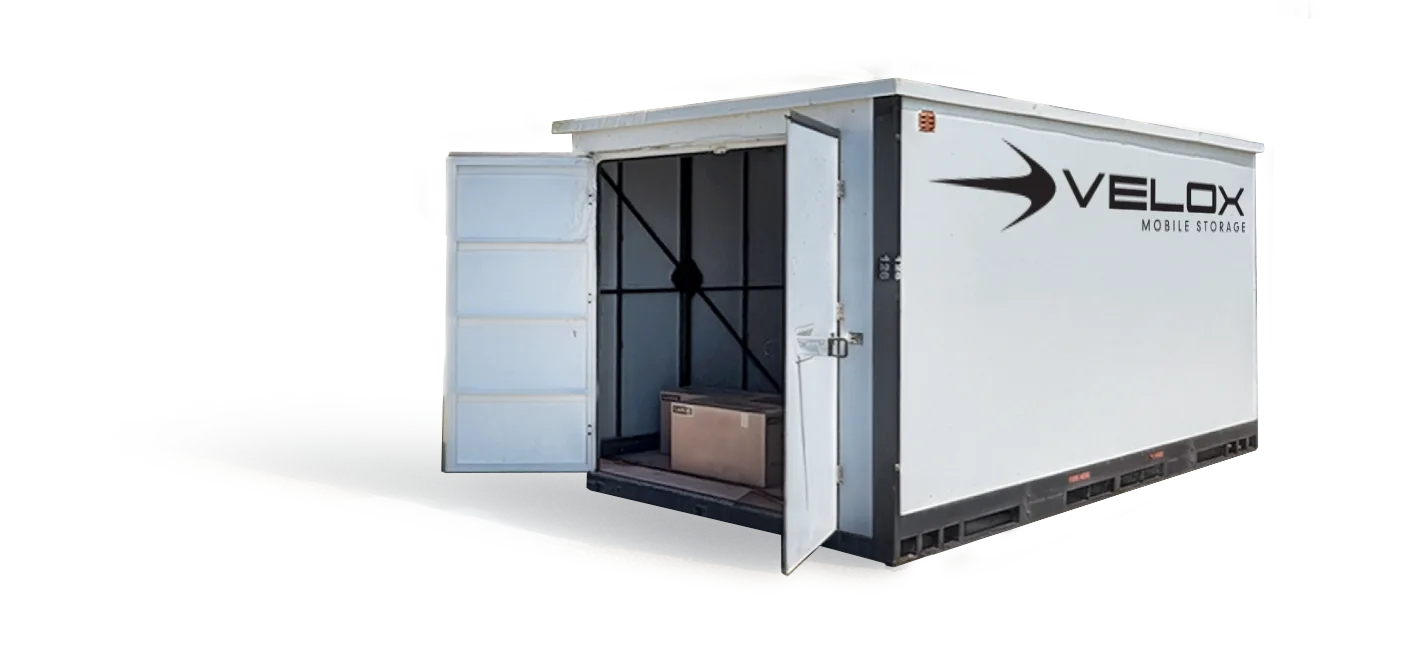
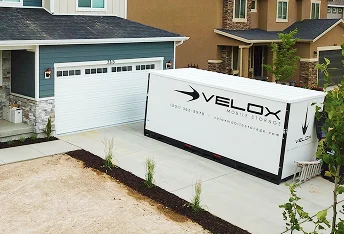
Our portable storage containers are delivered to the family home so you can pack at whatever pace feels right. We move the container to secure storage when you’re ready, and we bring it back whenever you need access to belongings.

There are no complicated contracts or rigid terms. You keep the storage as long as you need it, and we work with your timeline, not against it.

When you call Velox, you’re talking to real people who care about making a difficult situation a little bit easier. We can’t take away the emotional weight of this transition, but we can remove some of the logistical stress that makes everything harder.

You Don’t Have to Rush This

Moving someone into assisted living is already one of life’s most challenging transitions. You don’t need the added pressure of sorting through a lifetime of belongings in a matter of days.

Portable storage gives you time. Time to make thoughtful decisions. Time to coordinate with family. Time to let your loved one adjust to their new home before finalizing what happens to everything they left behind.

At Velox, we’re here to support Utah families through this process with downsizing storage that’s flexible, affordable, and designed around your needs.

Click here for a free, no-obligation quote, or call us at 801-362-9978 to talk about how portable storage can help your family during this transition. We’ll listen to your situation and help you figure out the right approach.

Because some decisions need time, and that’s exactly what we’re here to give you.