
December 22, 2025
Updated by the Velox team
The Most Stress-Free Way to Move with Kids
Moving ranks among life’s most stressful events. Add kids to the equation and the complexity multiplies exponentially. You’re not just coordinating logistics and packing belongings. You’re managing emotions, maintaining routines, answering endless questions, and somehow keeping small humans safe and occupied while everything around them changes.
There’s no magic solution that makes moving with children completely easy, but there are strategies that reduce chaos significantly. The key is working with your family’s reality instead of pretending you can execute a move the same way you would solo.
Why Traditional Moving Breaks Down with Kids
The single-day moving marathon doesn’t work when you have children. Traditional moving assumes you can dedicate extensive hours to pure physical labor, loading trucks, driving, and unloading. That timeline ignores nap schedules, meal times, meltdowns, and the constant supervision young children require.
Chaos triggers anxiety in kids of all ages. The disruption, unfamiliar people in your home, and obvious stress from parents creates an environment where behavioral issues spike. Children who normally sleep through the night suddenly don’t. Kids who are typically cooperative become difficult.
Safety concerns compound during moving day when you’re distracted and exhausted. Heavy furniture being moved, doors propped open, boxes stacked precariously, and unfamiliar workers in your home all create hazards that require constant vigilance with curious children around.
How Portable Storage Changes the Game
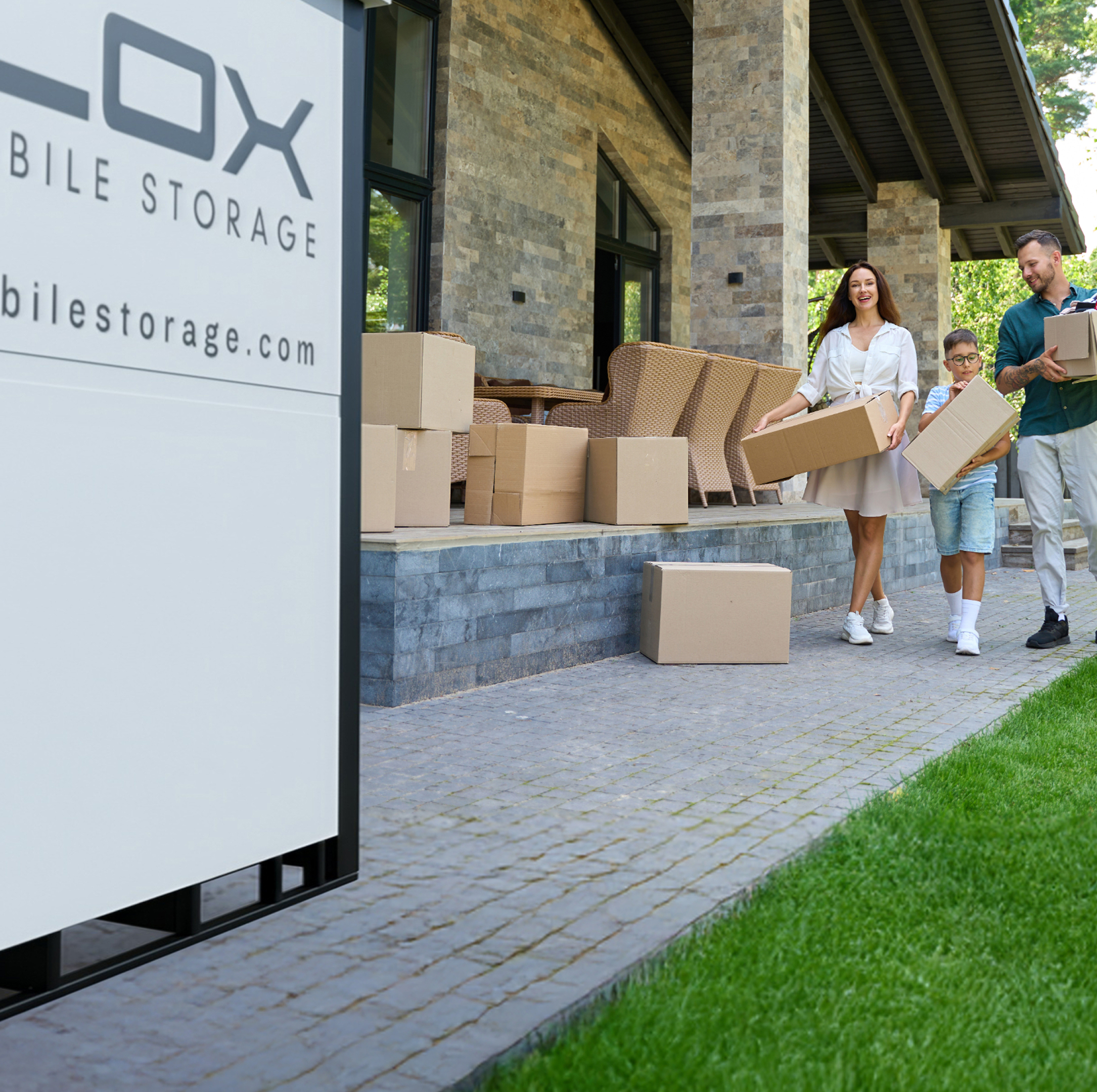
Extended packing timelines remove the pressure of doing everything in one day. A portable storage container delivered to your driveway means you can pack over several weeks, fitting the work around your family’s schedule instead of the other way around.
Pack during windows when kids are occupied. Nap time becomes packing time. After bedtime you knock out a few more boxes. While they’re at school or with grandparents, you tackle a whole room. The work happens in manageable chunks that don’t require ignoring your children for an entire day.
Create normalcy alongside progress. Your kids wake up to breakfast like usual, go to school, come home to familiar routines, while you gradually pack around those constants. This reduces the chaos that triggers anxiety.
Load without time pressure means you’re not choosing between proper supervision of your children and meeting truck return deadlines. The storage container sits there as long as you need it.
Age-Specific Strategies That Actually Work
Toddlers and preschoolers need consistency and involvement. Keep their daily routines as normal as possible throughout the moving process. Pack their rooms last so their space remains familiar longest. Let them “help” with simple tasks like putting soft items in boxes.
Create a special moving box for each young child with a few favorite toys, books, and comfort items that don’t get packed. This gives them something familiar and available throughout the transition.
Elementary-age kids benefit from understanding the process. Explain what’s happening and why, answer questions honestly, and involve them in appropriate ways. Let them pack their own rooms with supervision, make decisions about what goes where, and give them jobs that make them feel helpful.
Acknowledge their feelings about the move without dismissing concerns. It’s normal for kids to feel sad about leaving friends, nervous about new schools, or upset about change. Validating those emotions helps them process the transition.
Teenagers face unique challenges around social connections and independence. Moving disrupts friend groups, activities, and the autonomy they’ve built. Involve them in decisions when possible, maintain communication about their concerns, and help them stay connected to friends during the transition.
Give teens responsibility for their own packing and moving tasks. This maintains their sense of control during a situation where they likely feel powerless.
Safety Management During Active Moving
Designate a kid-free zone during heavy lifting and loading days. Whether that’s a bedroom with a gate, a section of the house where kids stay with a caregiver, or sending them to relatives for the day, separating active work zones from child spaces prevents accidents.
Clear communication with anyone helping about safety protocols matters. Friends and family assisting need to know that doors can’t be propped open where toddlers might wander out, and someone is always responsible for knowing where kids are.
Maintaining Emotional Stability Through Transition
Predictable routines anchor children through change. Even if you’re packing around them, maintain meal times, bedtimes, and daily rituals as consistently as possible. These anchors of normalcy reduce stress.
Positive framing about the move helps kids process the change. Talk about exciting aspects of the new place without dismissing their concerns about what they’re leaving. Both things can be true.
Say proper goodbyes to important people and places. Visit favorite spots one last time, take photos of their old room, have a farewell gathering with close friends. Closure helps kids transition emotionally.
Create excitement about the new home. Show them photos, talk about their new room, research fun activities in the new area. Building anticipation balances the sadness of leaving.
Strategic Packing with Kids in the House
Start with rooms kids don’t use frequently. Guest rooms, storage areas, and adult spaces can be fully packed while keeping kids’ areas functional until the end.
Pack toys and books strategically in waves. Start with items they’ve outgrown or don’t play with regularly. Keep favorite toys accessible until the very end. Some families create a “moving essentials” bin of toys that stays unpacked throughout the process.
Label boxes clearly with contents and destinations. This speeds unpacking later and helps kids understand where their things are going. Color-coding boxes by room makes it visual for younger children.
Pack an overnight bag for each family member with several days of clothes, toiletries, medications, and essentials. This allows you to function normally even when most belongings are packed or in transit.
The First Days in the New Home
Unpack kids’ rooms first. Establishing their spaces with familiar belongings before tackling other areas gives them stability and a retreat space during the chaos of moving in.
Set up beds and bedtime routines immediately. Exhausted kids need proper sleep even more than usual during transitions. Prioritize getting bedrooms functional over unpacking kitchens or living spaces.
Explore the new neighborhood together. Find the playground, walk to school if possible, locate the library, and identify fun nearby spots. This builds familiarity and excitement about the new location.
Maintain patience with behavioral changes. It’s completely normal for kids to act out, regress, or struggle emotionally during and after moves. These behaviors typically resolve once routines normalize and the new place becomes familiar.
What Velox Understands About Family Moves
Flexible timelines matter enormously for families. We know you’re not packing according to ideal efficiency schedules. You’re packing around naps, meals, school, and the unpredictable nature of parenting. Our month-to-month terms adapt to your reality.
Extended portable storage availability means if you need extra time because someone got sick, school events happened, or life intervened, we’re not adding pressure with strict pickup deadlines.
Delivery scheduling accommodates family needs. We work around your schedule because we understand mornings and evenings look different with children.
Real Talk About Moving with Kids
It’s going to be harder than moving without kids. Accept that reality upfront and adjust expectations accordingly. You’re not going to pack as efficiently, the timeline will be longer, and there will be moments of chaos.
Your kids will probably struggle at some point during or after the move. That’s normal. Behavioral changes, sleep disruptions, or emotional difficulties are common responses to major transitions. They pass.
You’ll feel overwhelmed. Moving while parenting means being pulled in multiple directions constantly. That’s exhausting. Be kind to yourself about the limitations this creates.
But you’ll get through it, and portable storage containers make it significantly more manageable by removing time pressure and allowing you to work around your family’s needs instead of forcing your family to adapt to moving logistics.
Get Family-Friendly Moving Storage
Moving containers give families the flexibility and time to move without sacrificing kids’ stability and routines. Pack gradually, maintain normalcy, and handle the transition at a pace that works for your actual life with portable storage Utah families trust.
Click here for a free, no-obligation quote or call 801-362-9978 to discuss your family move. Local service that understands Utah families.