
September 1, 2026
Updated by the Velox team
Utah winters bring challenges that turn moving from stressful into downright difficult. Snow covers driveways. Ice makes walkways treacherous. Temperatures drop below freezing. Storms blow through with little warning, shutting down roads and canceling plans. And somehow, you need to move your entire household during all of this.
Maybe your job transfer doesn’t care that it’s January. Perhaps your lease ends in February and finding winter housing is what worked out. Or your home sale closed in December and the new place isn’t ready yet. Whatever the reason, you’re facing a Utah winter move and wondering how to manage it without disaster.
Traditional moving approaches struggle in winter conditions. Renting trucks during snowstorms is risky. Making multiple trips to storage facilities on icy roads is dangerous. Rushing to load and unload in freezing temperatures leads to mistakes and injuries. Everything that’s already hard about moving becomes significantly worse when you add winter weather.
Portable storage containers change the equation for cold weather moves. Instead of fighting weather and rushing through dangerous conditions, you get flexibility to work around storms, time to load safely, and protection from winter elements. Here’s how to use storage strategically to make your Utah winter move manageable.
You can also check whether a container fits your driveway with our 3D tool. Pick a spot like yours and move the container around.
Understanding Utah Winter Moving Challenges
Utah winters vary dramatically by location and elevation. Salt Lake Valley might see moderate snow and cold with occasional storms. Mountain communities deal with heavy snowfall and extended freezing temperatures. Southern Utah experiences milder winters but still gets cold snaps and occasional snow.
Snow accumulation makes accessing homes and driveways difficult. You can’t just walk out with boxes when there’s a foot of snow on the ground. Paths need shoveling. Driveways need clearing. Ice underneath snow creates slip hazards carrying heavy items.
Freezing temperatures make outdoor work miserable and dangerous. Your hands get numb making it hard to grip items safely. Extreme cold causes muscle stiffness and reduces reaction time. Extended exposure risks frostbite and hypothermia.
Winter storms are unpredictable. Weather forecasts help but Utah weather changes quickly. A clear morning can turn into a blizzard by afternoon. Planned moving days get canceled or postponed when roads become impassable.
Shorter daylight hours in winter mean less time for outdoor work. By the time you get home from work and start loading, you might only have a couple hours of daylight. Working in the dark is slower and more dangerous.
These challenges combine to make winter moves significantly more complicated than summer moves. But understanding them helps you plan strategies that work with winter conditions instead of fighting them.
Why Portable Storage Works Better in Winter
Portable storage containers delivered to your home eliminate many winter moving challenges that make traditional approaches so difficult.
No driving to storage facilities on icy roads. The container comes to you and stays in your driveway. You never have to navigate winter road conditions with a loaded vehicle just to access storage.
Extended loading time means you can work around weather. Storm forecast for Saturday? Don’t load Saturday. Wait until Sunday when conditions improve. The container sits in your driveway waiting for good weather rather than forcing you to work in dangerous conditions.
Load at your own pace over days or weeks instead of rushing through a single marathon session in freezing temperatures. Take breaks to warm up. Stop when darkness falls. Resume when weather cooperates. The flexibility makes winter loading much safer and more manageable.
Protection from elements once items are in the container. Snow, ice, and cold won’t damage belongings while the container sits in your driveway or at our facility. Weather-sealed construction keeps moisture out even during wet, snowy conditions.
No time pressure from truck rentals. Traditional moving trucks need returning by specific times regardless of weather. Storage containers stay as long as you need them without daily rental fees adding up.
Preparing Your Property for Winter Container Delivery
Winter conditions require extra attention when preparing for storage container delivery. The basics still apply but with additional winter-specific considerations.
Snow removal is essential. Clear the driveway completely before delivery day. Don’t just make a path, clear the entire width and length where the container will sit. Delivery trucks need maneuvering room and the container needs stable placement.
Ice management matters as much as snow removal. Sand or salt walkways and the driveway to prevent slipping. Delivery crews need safe footing, and you’ll be making hundreds of trips between your home and the container while loading.
Check ground conditions underneath snow. If the ground is frozen solid, that’s actually ideal for container placement. If it’s muddy from snowmelt or mild temperatures, address drainage or consider adding gravel or boards to prevent the container from sinking.
Clear paths wider than you think necessary. When you’re carrying boxes or furniture, you need extra space to navigate safely on potentially slippery surfaces. What feels adequate in summer is too narrow in winter conditions.
Keep clearing snow throughout the loading period. Fresh snow accumulates quickly during active weather patterns. Stay on top of clearing to maintain safe working conditions rather than letting it pile up.
Timing Your Winter Move Strategically
You can’t control Utah winter weather, but you can work with it rather than against it. Strategic timing makes winter moves significantly easier.
Monitor weather forecasts closely in the days before planned loading sessions. If major storms are forecast, consider rescheduling delivery or adjusting your loading timeline. Having a portable container means you can be flexible rather than locked into specific dates.
Plan loading during warmer parts of days when possible. Late morning through early afternoon typically offers the warmest temperatures. Avoid early morning when it’s coldest and avoid late afternoon when temperatures drop and darkness approaches.
Take advantage of winter warm spells. Utah winters include periodic breaks with mild, sunny weather. If a warm spell is forecast, plan intensive loading during those days and scale back during colder periods.
Break loading into smaller sessions during winter rather than marathon all-day efforts. Working outside in cold for eight hours straight is miserable and dangerous. Working for two to three hours at a time across multiple days is much more manageable.
Account for shorter days by starting earlier. In summer you might start loading at noon and work until evening. In winter, starting mid-morning captures maximum daylight hours.
Be prepared to pause and resume based on conditions. If weather deteriorates while you’re loading, stop and resume when it improves. The flexibility of portable storage makes this possible without significant cost or inconvenience.
Protecting Belongings from Winter Conditions
Cold weather and moisture create risks for stored items that summer moves don’t face. Proper protection prevents damage during winter storage.
Electronics and batteries are sensitive to extreme cold. Don’t leave these in an unheated container during sustained freezing temperatures if possible. If storage is necessary, pack electronics in insulated boxes or wrap them in blankets for some protection.
Liquids can freeze and expand, damaging containers or creating messes. Don’t pack full bottles of cleaning supplies, toiletries, or other liquids in containers stored outside during freezing weather. Use them up, dispose of them, or pack them separately to transport in heated vehicles.
Furniture and wood items can be affected by moisture from snow tracked into containers during loading. Wipe down furniture before packing and use furniture blankets or plastic wrapping to protect surfaces from moisture exposure.
Fabrics and upholstery should be completely dry before packing. Damp items packed in cold conditions can develop mildew or odors. Make sure clothing, bedding, and upholstered furniture are thoroughly dry.
Cardboard boxes weaken when exposed to moisture from snow or wet conditions. Use plastic bins for items you’re particularly concerned about, or wrap cardboard boxes in plastic if they’ll be exposed to wet conditions during loading.
Pack moisture absorbers inside the container to control humidity during storage. Winter condensation can develop when temperatures fluctuate, and moisture absorbers help prevent this from affecting stored items.
Safety Considerations for Cold Weather Loading
Winter moving involves physical risks beyond typical moving challenges. Prioritizing safety prevents injuries that can ruin your move and create lasting problems.
Dress in layers for outdoor work. You’ll be moving between cold outdoor temperatures and warmer indoor temperatures repeatedly. Layers let you adjust rather than overheating or getting too cold.
Wear appropriate footwear with good traction. Boots with aggressive tread help prevent slips on icy or snowy surfaces. Carrying heavy items while trying to stay upright on slippery ground is genuinely dangerous.
Take more frequent breaks than you would in warmer weather. Cold temperatures are physically taxing and you tire faster. Going inside to warm up every thirty to sixty minutes keeps you safer and more alert.
Watch for signs of hypothermia or frostbite. Numb fingers or toes, shivering, confusion, or extreme fatigue are warning signs that you need to warm up immediately. Don’t push through these symptoms.
Keep emergency supplies accessible. Warm drinks, extra gloves, hand warmers, and first aid supplies should be readily available during loading. These small preparations make big differences during long cold work sessions.
Work with helpers when possible. Solo loading is risky in good conditions and downright dangerous in winter. Having someone with you provides safety backup if you slip, get injured, or need assistance with heavy items.
Managing Frozen Ground and Snow Accumulation
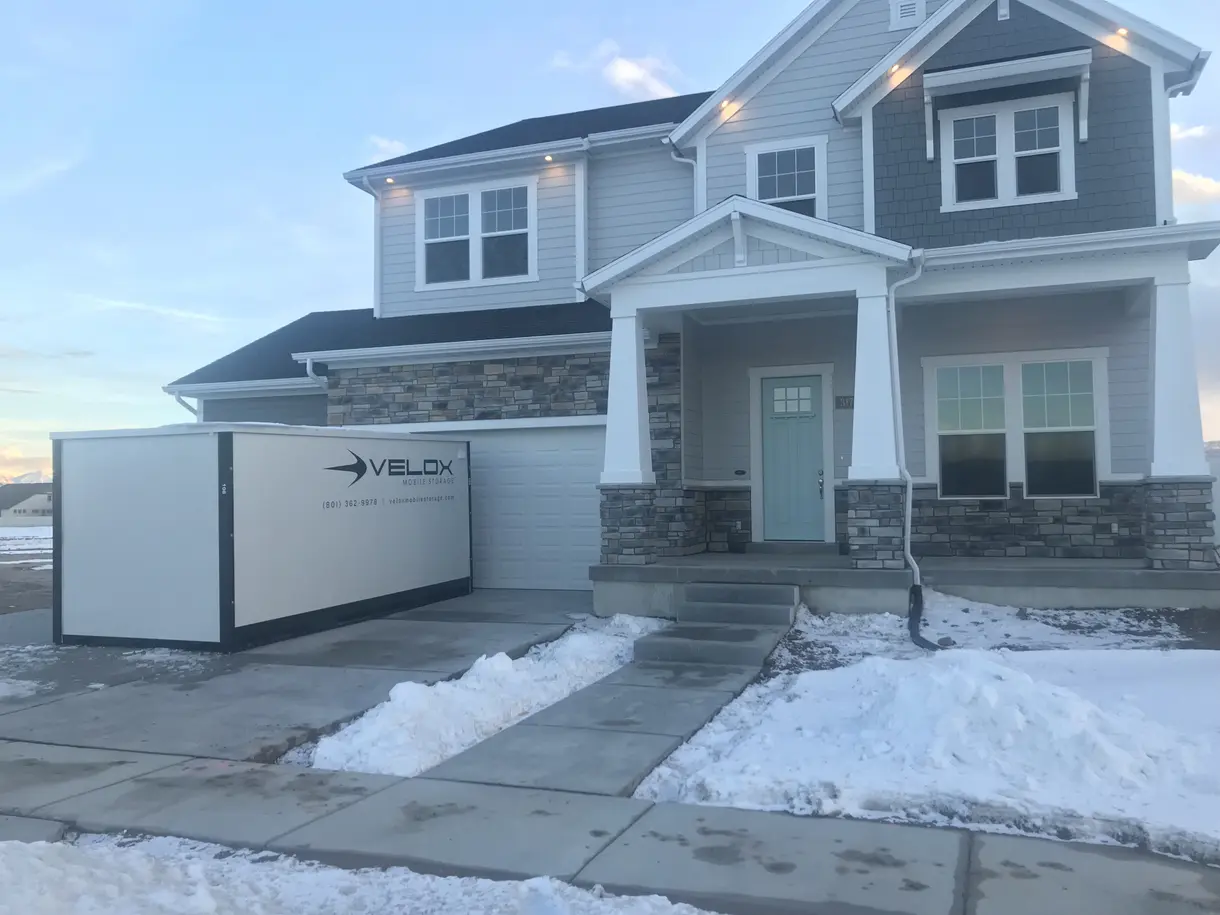
Winter ground conditions create unique challenges for container placement and access that require specific strategies.
Frozen ground is actually ideal for heavy container placement. Solid frozen ground won’t develop ruts or sink under weight the way soft ground might. If the ground is frozen when your container delivers, that’s a good thing.
Snow accumulation around the container during storage requires management. Keep snow cleared from around container doors so you can access them if needed. Let snow pile up elsewhere but maintain access to functional areas.
Ice buildup on container ramps or the ground near doors creates serious slip hazards. Sand these areas regularly and consider putting down rubber mats or plywood for better traction.
Snowmelt creates muddy conditions during Utah’s temperature fluctuations. If the ground thaws and becomes muddy, avoid driving on it or placing heavy items there. Wait for conditions to improve or add gravel for better surface stability.
Track weather patterns and plan loading around them. If a big melt is forecast, schedule intensive loading before it happens while ground is still frozen. If heavy snow is coming, pause loading and resume after clearing.
Winter Storage Duration Considerations
Winter moves often involve longer storage periods than summer moves because timing is more complicated and weather creates delays.
Home sales take longer in winter. Fewer buyers are actively looking, closings sometimes get delayed, and the housing market slows. This means storage periods extend beyond initial estimates.
Construction and renovation projects move slower in winter. If you’re storing belongings during home repairs or new construction, expect winter weather to delay completion. Budget for longer storage than originally planned.
Housing transitions may take more time during winter months. Finding new housing, coordinating move-in dates, and completing related tasks all move slower when weather interferes.
Portable storage accommodates extended winter storage without problems. Monthly rental terms adjust as needed. If you need the container longer than initially planned, extension is straightforward without penalties or complicated contracts.
Plan conservatively when estimating winter storage duration. Whatever timeline seems realistic, add at least a month of buffer for weather-related delays and winter slowdowns.
Comparing Winter Storage Options
Different storage approaches work better or worse during Utah winters. Understanding these differences helps you choose the best option for winter moving situations.
Traditional self-storage facilities require driving to them regardless of weather. When roads are icy or storms hit, you’re either risking dangerous travel or you can’t access your belongings at all. Winter access becomes a significant problem.
On-site portable containers at your home let you load and access storage without leaving your property. You never drive in dangerous conditions just to deal with storage. This safety advantage alone makes portable storage superior during winter.
Climate-controlled storage protects temperature-sensitive items better than non-climate options. If you’re storing things affected by freezing temperatures long-term, climate control might be worth considering. But for typical household moves, weather-sealed containers provide adequate protection.
Friend or family garage storage seems free but creates complications. You’re dependent on their availability, your belongings take up their space during winter when they might need it, and you’re making trips in winter weather to access things.
Portable storage containers balance protection, accessibility, cost, and convenience better than alternatives for most winter moving situations in Utah.
Working with Restoration and Construction During Winter
Winter moves often coincide with home repairs, water damage restoration, or construction projects that can’t wait for spring.
Restoration work after winter water damage is time-sensitive. Burst pipes don’t wait for convenient timing. Having portable storage available immediately lets restoration crews clear affected areas quickly regardless of weather conditions.
Home renovations during winter require belongings out of the way while work happens. Storage containers provide secure holding for furniture and items while contractors work inside your heated home.
New construction continues through winter though at slower pace. If you’re building and need to store belongings until your new home completes, winter delays mean extended storage that portable containers accommodate easily.
These situations benefit especially from on-site container placement. Contractors and restoration crews can load items directly into containers on your property without coordinating transportation during winter weather.
Post-Winter Delivery and Unpacking
When winter storage ends and it’s time for delivery to your new home, spring weather might not have arrived yet. Plan accordingly.
Early spring can bring heavy wet snow that’s harder to manage than dry winter snow. March and April storms sometimes dump more snow than midwinter storms. Don’t assume spring delivery means easy conditions.
Snowmelt creates muddy conditions that affect delivery. Ground that was frozen solid in January might be muddy mess in March. Consider delivery timing to avoid worst mud season if possible.
Access driveways and pathways need clearing just like they did for initial delivery. Fresh spring snow accumulation requires the same preparation and clearing as winter storms.
Unpacking after winter storage lets you inspect items for any moisture or temperature effects. Check electronics, inspect furniture, and verify everything came through storage in good condition.
Winter Moving Success Stories
Real Utah families navigate winter moves successfully using strategic storage approaches. Their experiences illustrate what works.
A family relocating to Salt Lake City in January kept their portable container at their rental for three weeks while they searched for permanent housing. Multiple snowstorms hit during this period but they loaded gradually between storms without pressure or risk.
A couple selling their Provo home in February stored belongings during the selling process. Their container sat through winter at our facility while they temporarily moved in with family. Spring delivery to their new home went smoothly after winter passed.
A student returning from study abroad in December used winter storage for belongings while spending holidays with family. The container protected everything through Utah winter until classes resumed in January and she moved into new housing.
These scenarios show winter storage working for real situations when timing and weather create challenges traditional moving approaches can’t handle well.
How the Container Handles Snow and Rain
The container is all steel with a sealed roof and doors, so normal rain and snow stay outside. It is not climate controlled: the inside will be as cold as the air around it. The one wet-goods case we have seen was a door that was not fully closed while the unit was being driven in the rain.
- Load dry. Knock snow off furniture and boxes before they go in.
- Use sealed totes, and add moisture absorbers for long storage.
- Keep documents, electronics, art and antiques somewhere heated.
- If you have a large garage, ask about setting the unit inside so you can load warm and dry.
Ready for Your Winter Move
Utah winter moves don’t have to be nightmares of icy driveways, frozen fingers, and dangerous rushing. Portable storage containers give you flexibility to work with winter weather instead of fighting it.
At Velox, we deliver and pick up containers year-round across Central and Southern Utah. We understand winter conditions and work with you to ensure safe delivery and pickup regardless of weather.
Our weather-sealed containers protect your belongings through Utah winters while giving you time to load safely, wait out storms, and move at a pace that keeps everyone safe.
Click here for a free, no-obligation quote, or call us at 801-362-9978 to discuss your winter moving needs. We’ll help you plan an approach that works with winter conditions rather than creating additional stress.
Because moving is hard enough without adding winter weather battles to the challenge.